10 High-Protein Foods That Keep You Full (And How to Track Them)
Struggling with hunger on your weight-loss journey? These 10 high-protein foods for weight loss keep you full for hours, protect your muscle, and are easy to track with USDA data — no guessing required.
The Missing Piece of Your Weight-Loss Plan
If you've been following our guides, you already know how to check your BMI, work out your daily calorie needs with our TDEE calculator guide, and balance your macros with a 40/30/30 split.
But if you are aiming for 30% of your calories to come from protein, what does that actually look like on your plate?
Protein is the ultimate secret weapon for fat loss. It takes more energy to digest than carbs or fat, and it keeps you feeling full for hours. But not all protein sources are created equal — some of the best high-protein low-calorie foods fly completely under the radar. In this guide, we'll look at the top 10 lean protein foods that keep you full, and show you how to track your protein intake accurately without guessing.
Why Protein Is Your Best Friend for Weight Loss
Before we dive into the list, let's quickly recap why protein is non-negotiable when you're trying to lose fat:
- It preserves muscle. When you eat in a calorie deficit, your body might burn muscle for energy. Protein protects your hard-earned muscle.
- It burns calories just by digesting. Your body burns 20–30% of the calories from protein just to process it (this is called the Thermic Effect of Food).
- It crushes cravings. Protein keeps your blood sugar stable and keeps you feeling full, making it much easier to stick to your calorie goal.
The Top 10 High-Protein Foods
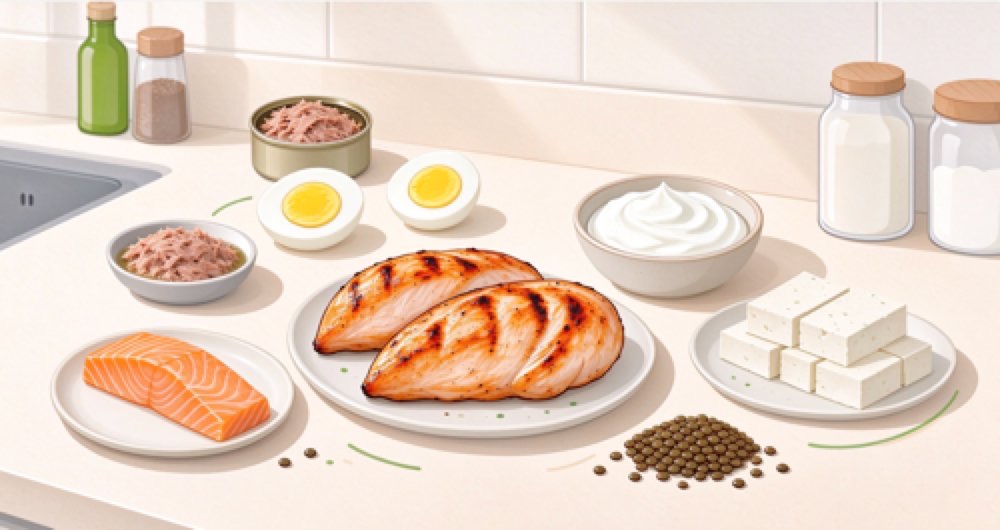
Here are 10 of the best high-protein foods, along with their approximate protein content (remember, you can search our USDA food database to see the exact macros):
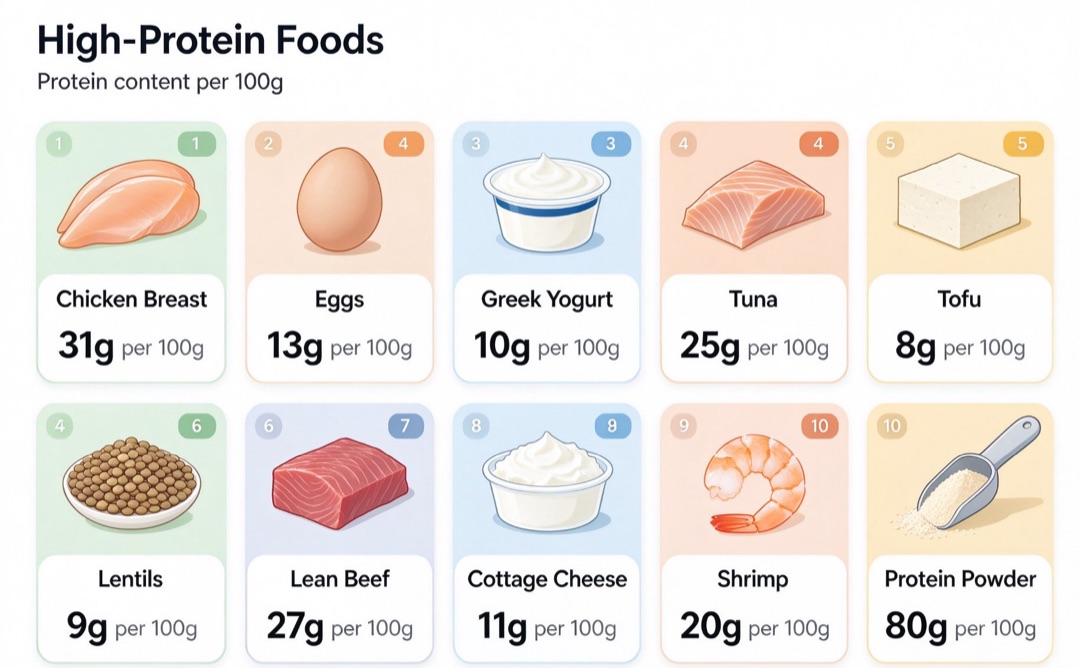
1. Chicken Breast (Skinless)
The undisputed king of lean protein.
- Protein per 100 g: ~31 g
- Calories per 100 g: ~165 kcal
Why it works: Extremely versatile, very low in fat, and cheap.
2. Eggs
The perfect high-protein breakfast food.
- Protein per 1 large egg: ~6 g
- Calories per 1 large egg: ~72 kcal
Why it works: Egg whites are almost pure protein, and the yolk provides essential vitamins and healthy fats.
3. Greek Yogurt (Plain, Non-fat)
Creamy and satisfying.
- Protein per 100 g: ~10 g
- Calories per 100 g: ~59 kcal
Why it works: Thick, rich, and perfect as a snack. Just watch out for added sugars! Buy plain and add your own fruit.
4. Tuna (Canned in Water)
An incredibly convenient pantry staple.
- Protein per 100 g: ~26 g
- Calories per 100 g: ~116 kcal
Why it works: Zero cooking required. Just drain, mix with a little Greek yogurt or mustard, and eat.
5. Tofu (Firm or Extra-Firm)
The ultimate plant-based protein.
- Protein per 100 g: ~8–10 g (firm) / up to ~17 g for high-protein varieties
- Calories per 100 g: ~76–144 kcal
Why it works: Absorbs any flavor you cook it with. Great for stir-fries and meal prep.
6. Lentils
A powerhouse of protein and fiber.
- Protein per 100 g (cooked): ~9 g
- Calories per 100 g (cooked): ~116 kcal
Why it works: The high fiber content makes lentils incredibly filling. Perfect for soups and curries.
7. Lean Beef (93% Lean Ground Beef)
Great for iron and protein.
- Protein per 100 g (cooked): ~26 g
- Calories per 100 g (cooked): ~152 kcal
Why it works: Satisfies red-meat cravings without blowing your fat budget.
8. Cottage Cheese
An underrated diet hero.
- Protein per 100 g: ~11 g
- Calories per 100 g: ~98 kcal
Why it works: High in casein protein, which digests slowly, keeping you full overnight.
9. Shrimp
Almost pure protein — one of the most protein-dense low-calorie foods you can buy.
- Protein per 100 g: ~20–24 g
- Calories per 100 g: ~99 kcal
Why it works: Cooks in literally 3 minutes. Low calorie and feels like a luxury meal.
10. Whey Protein Powder
The ultimate convenience food.
- Protein per 1 scoop (30 g): ~20–25 g
- Calories per scoop: ~100–120 kcal
Why it works: When you're in a rush or didn't hit your protein goal, a shake is the easiest fix.
How to Track Your Protein (Without Guessing)
Now that you know what to eat, the biggest challenge begins: how do you know how much protein you are actually eating?
You cannot guess. A "piece" of chicken can vary from 100 g to 250 g depending on where you bought it. If you guess, you might eat too much fat and not enough protein, sabotaging your hard work.
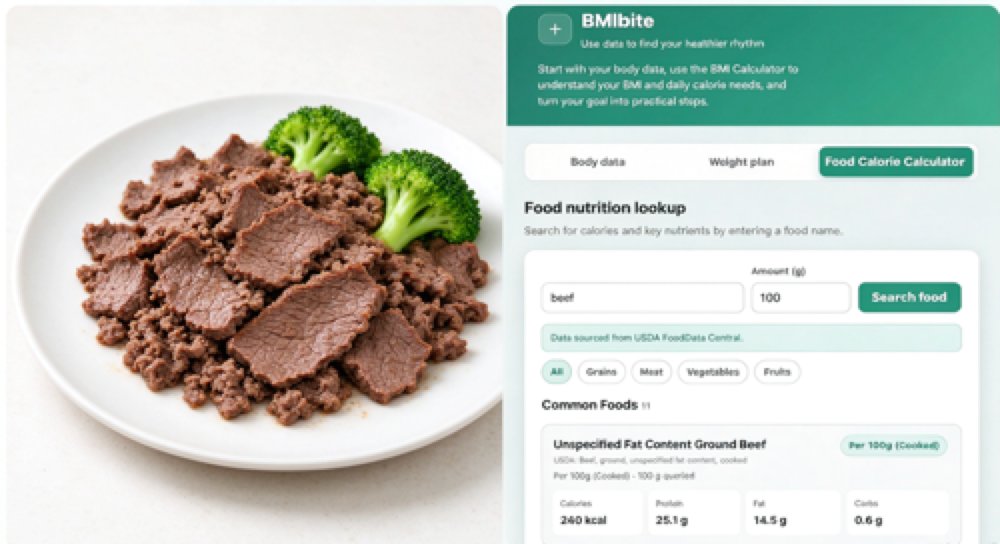
This is exactly why we built our free Food Calorie Database, powered by the latest USDA nutritional data. You can search:
- "Chicken breast, raw"
- "Egg, whole, boiled"
- "Greek yogurt, plain"
And instantly see the exact protein, carb, fat and calorie content per 100 grams. You can then weigh your food and log it with absolute precision.
Practical Tips to Hit Your Protein Goal Every Day
- Eat protein first: When you sit down for a meal, eat the protein on your plate before touching the carbs.
- Double up at breakfast: Instead of one egg, have three, or add a scoop of protein powder to your morning oats for an easy high-protein breakfast.
- Prep in bulk: Cook a large batch of chicken breast or ground turkey on Sunday to have ready-to-eat lean protein all week.
- Snack smart: Swap chips for Greek yogurt, cottage cheese, or a handful of almonds.
Frequently Asked Questions
How much protein should I eat per day to lose weight?
For fat loss, a common evidence-based target is 1.6–2.2 grams of protein per kilogram of body weight per day. A simpler starting point is getting about 30% of your daily calories from protein. Use our TDEE guide to find your calorie target first, then divide your protein goal across 3–4 meals.
What food is highest in protein but lowest in calories?
Shrimp is one of the best high-protein, low-calorie foods: about 24 g of protein and only 99 kcal per 100 g. Non-fat Greek yogurt, canned tuna and skinless chicken breast are also extremely protein-dense for very few calories.
How can I get 30 grams of protein per meal?
Easy combinations include: 100 g of chicken breast (~31 g), 3 eggs with a scoop of Greek yogurt (~25 g), or 120 g of cottage cheese with a few spoonfuls of lentils (~22 g). Eating protein first at each meal makes this much easier.
The Bottom Line: Track It or Guess It
Protein is the closest thing to a magic bullet for staying full while losing weight. By focusing on these 10 foods, you'll naturally eat fewer calories without feeling like you're on a diet.
Remember, the key to success is tracking. Ready to see what's really on your plate?