BMI for Women: What Is a Healthy Range and How to Measure It Correctly
The healthy BMI range for women, how to calculate it accurately — and why muscle mass, life stage and age play a crucial role in your overall health assessment.
A Helpful Starting Point — Not the Whole Story
Body Mass Index (BMI) is one of the most widely used screening tools in the world. For women specifically, understanding your BMI can be a helpful starting point for assessing your overall health and weight status. But what exactly is a healthy BMI range for women — and is it the whole story?
In this guide, we'll break down the numbers, explain what they mean, and explore why BMI isn't the only metric women should care about.
What Is a Healthy BMI Range for Women?
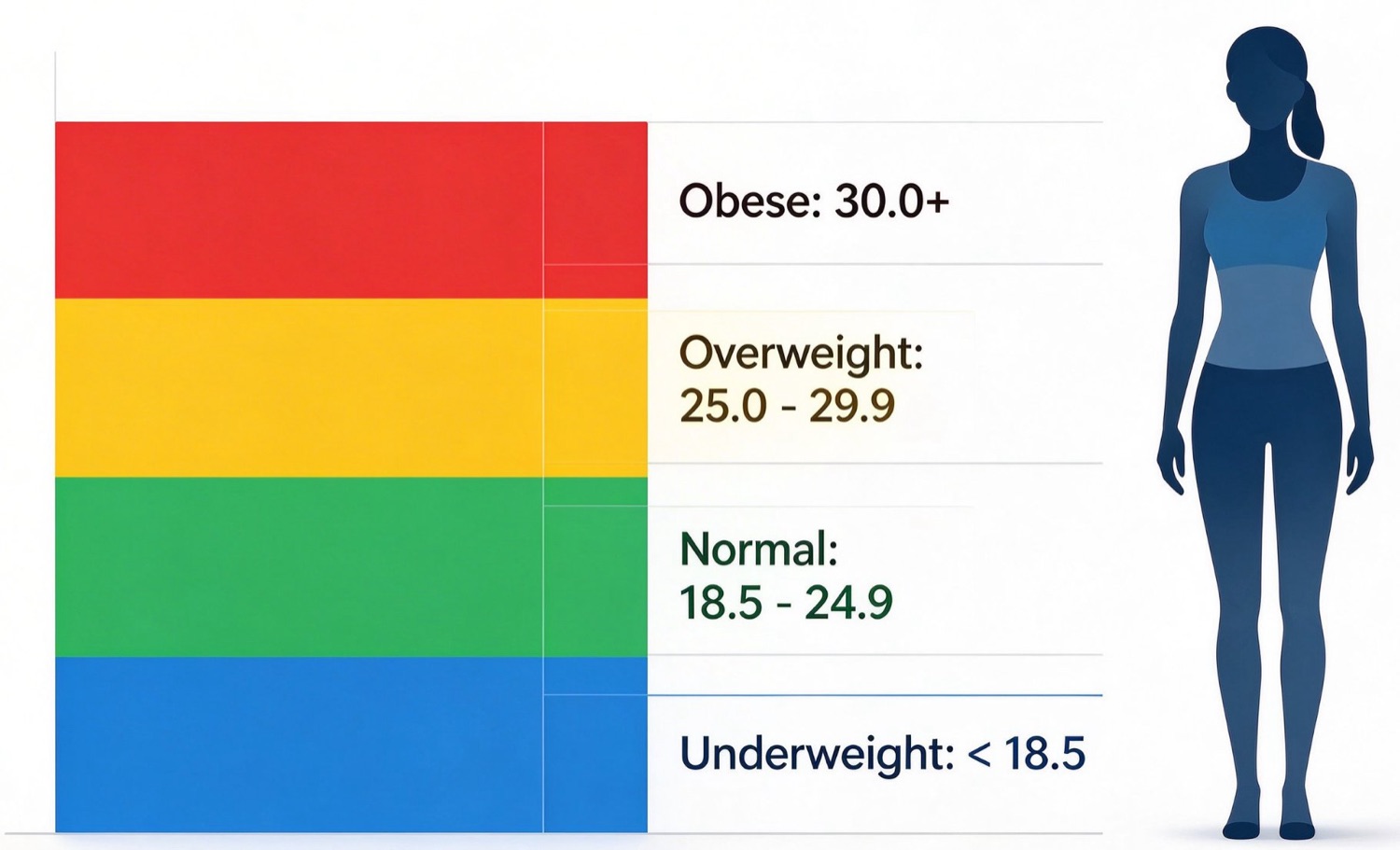
The standard BMI categories are the same for both adult men and women. According to the World Health Organization (WHO), the ranges are:
| Category | BMI range |
|---|---|
| Underweight | Less than 18.5 |
| Normal weight | 18.5–24.9 |
| Overweight | 25.0–29.9 |
| Obese | 30.0 or higher |
If your BMI falls between 18.5 and 24.9, it is generally considered a healthy range.
Why BMI Is Different for Women
While the basic math is the same, several biological factors make BMI a more complex issue for women:
1. Body Fat Distribution
Women naturally tend to carry more body fat than men — it is essential for reproductive health. Women often store fat in the hips and thighs (pear shape), while men tend to store it in the abdomen (apple shape). This means a woman with the same BMI as a man might have a completely different body composition.
2. Muscle Mass
Muscle is denser than fat. Highly active women and female athletes often have a higher BMI because of their muscle mass, not because they have excess fat. In these cases, BMI can incorrectly label them as "overweight."
3. Life Stages (Pregnancy and Menopause)
Pregnancy: BMI is not valid during pregnancy. Your body is undergoing necessary changes to support the baby, and doctors use pregnancy-specific weight-gain guidelines instead.
Menopause: As estrogen levels drop, women often experience a shift in fat storage (from hips to the belly) and a loss of muscle mass. This can cause BMI to creep up even if your lifestyle hasn't changed.
The Limitations of BMI for Women
BMI is a great screening tool because it's quick and free, but it has significant blind spots:
- It doesn't measure body fat percentage. It only measures total weight relative to height.
- It doesn't tell you where the fat is located. Visceral fat (fat around your organs) is much more dangerous than subcutaneous fat (fat under the skin).
- It doesn't account for age. Older women typically carry more body fat than younger women at the same BMI.
Beyond BMI: What Else Should Women Measure?
To get a complete picture of your health, pair your BMI with these metrics:
| Metric | Why it matters | Reference for women |
|---|---|---|
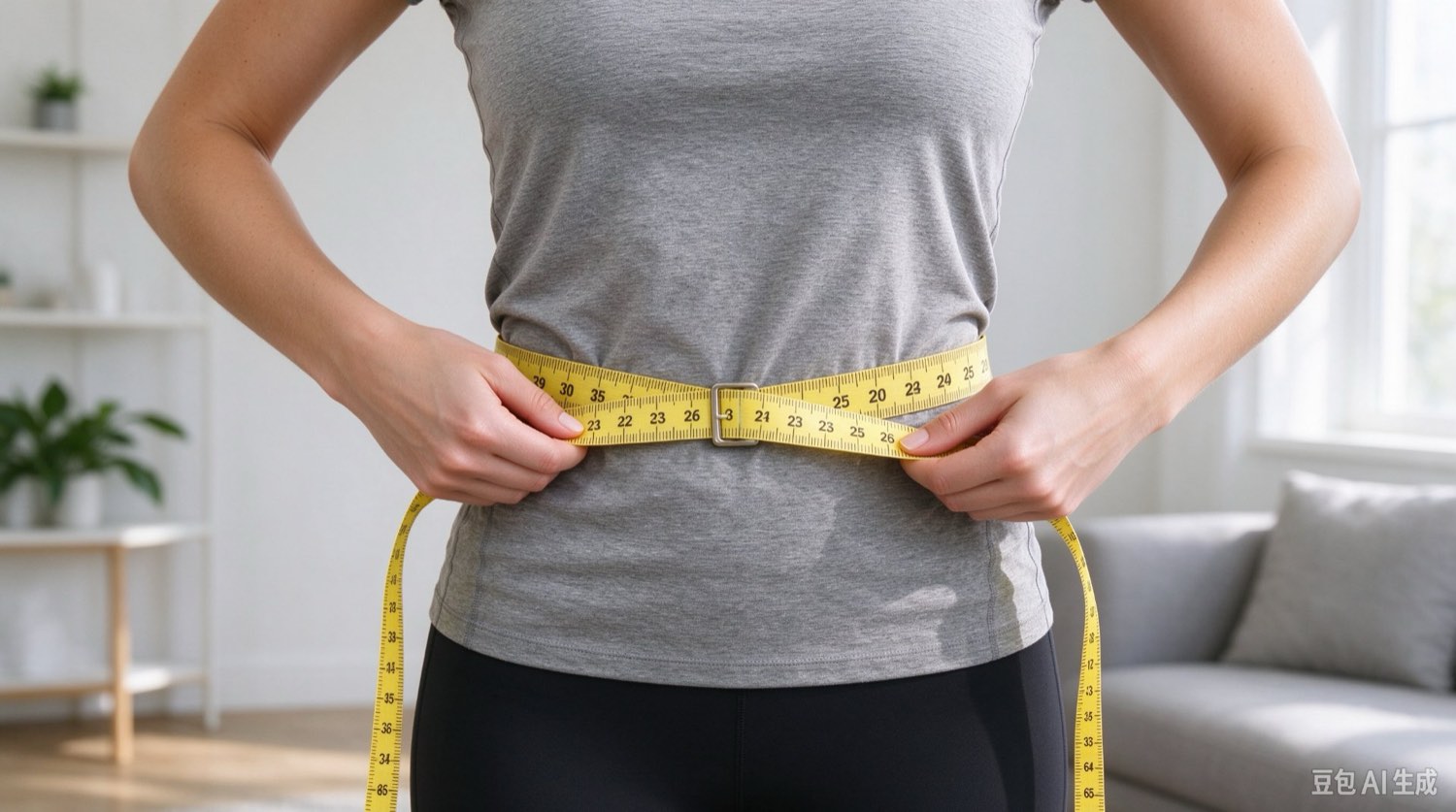
| Waist circumference | Reflects visceral fat around the organs | Over 35 in (88 cm) signals higher risk of heart disease and type 2 diabetes, regardless of BMI |
| Body fat percentage | Shows how much of your weight is actually fat | Varies by age; ask a professional for an accurate measurement |
| Waist-to-hip ratio | Compares fat storage patterns | 0.80 or lower is generally considered healthy |
If you are looking to make changes to your body composition, try our Weight Loss Planner to set realistic, healthy daily calorie goals based on your specific data. For the arithmetic behind a one-point drop at your height — and a pace that keeps muscle on — see how to lower your BMI safely.
Frequently Asked Questions
Is BMI accurate for muscular women?
Not always. Muscle is denser than fat, so active women and athletes can have a high BMI despite low body fat. Pair BMI with body fat percentage or a waist measurement for a fuller picture.
Should I track BMI during pregnancy?
No. BMI is not a valid measure during pregnancy because your body is undergoing necessary changes to support the baby. Doctors monitor weight gain against pregnancy-specific guidelines instead.
What waist circumference is risky for women?
A waist over 35 inches (88 cm) indicates a higher risk of heart disease and type 2 diabetes for women, regardless of BMI.
Conclusion
Your BMI is a helpful data point, but it is not a diagnosis. A "healthy" BMI for women sits between 18.5 and 24.9, but your overall health is defined by your habits, activity level, nutrition, and how you feel.
If your BMI is outside the healthy range, don't panic. Use it as a starting point to focus on sustainable lifestyle choices, not just a number on the scale.